
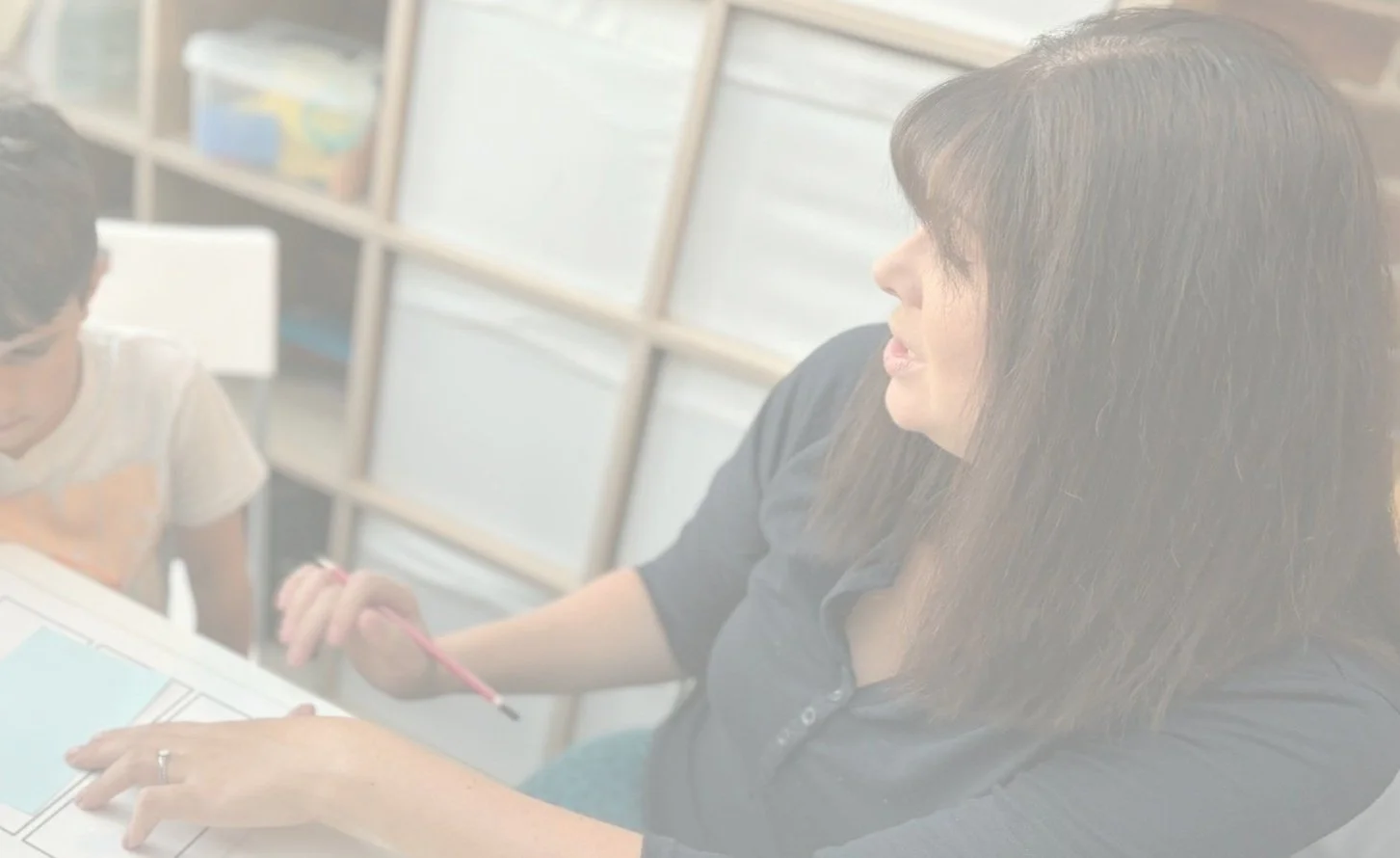
Qualified specialist dyslexia teacher and assessor, offering a range of services tailored to each child’s unique needs.

Services
-
If you suspect dyslexia but do not require a full diagnostic report for your child, I offer dyslexia screening services.
-
A comprehensive dyslexia assessment, which looks at a range of cognitive abilities, phonological awareness, language processing, memory, and literacy skills.
-
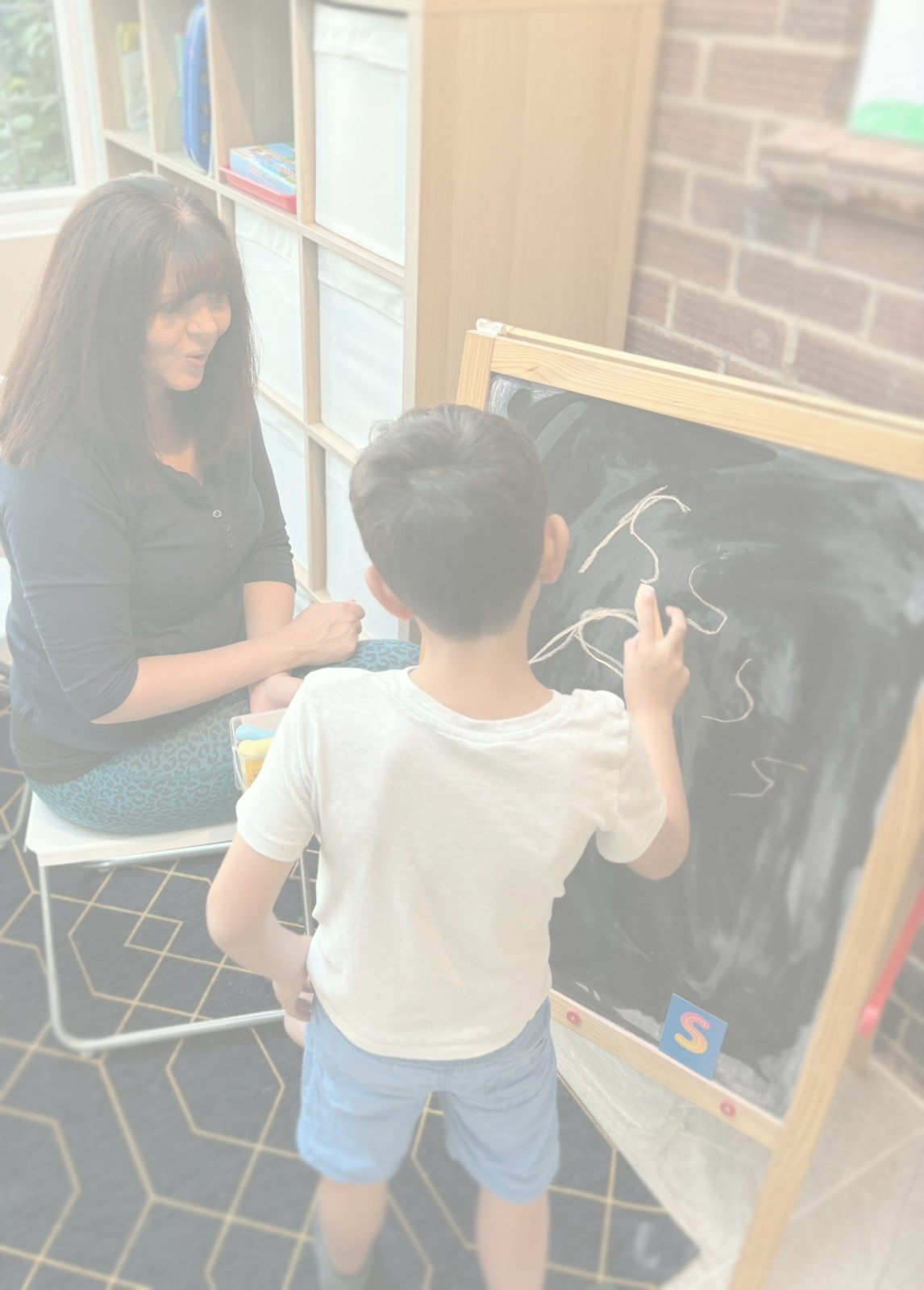
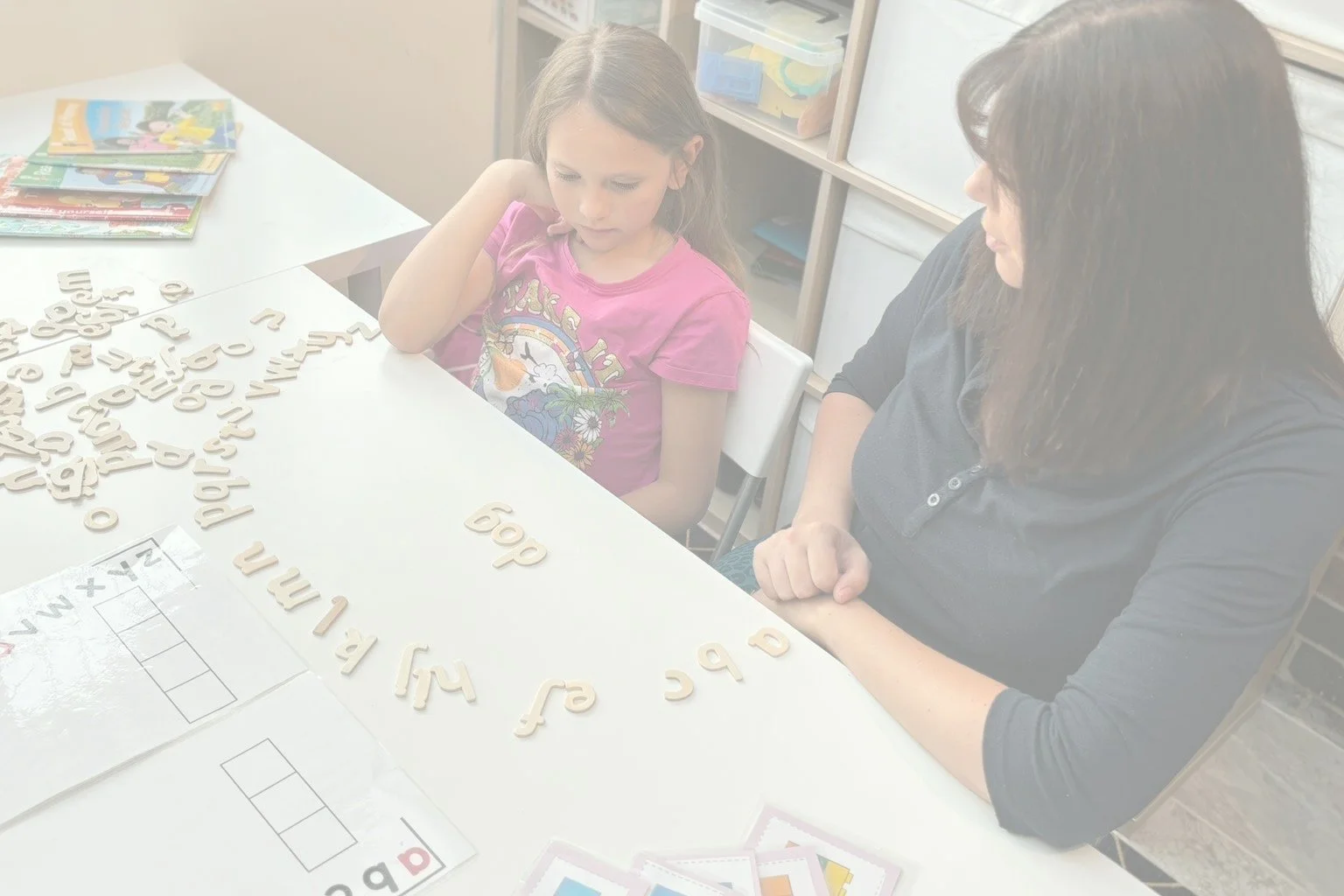
I:I specialist dyslexia lessons through the use of a multi-sensory approach and a structured, cumulative literacy programme, bespoke and perosnalised to suit each learner.
-
Providing professional development and training for schools in the form of workshops/ presentations/ I: I coaching for teachers and school staff.
Understanding Dyslexia
Dyslexia is a specific learning difficulty that primarily affects reading and language processing.
Definition of Dyslexia
Delphi Definition of Dyslexia (2025)
Dyslexia is a set of processing difficulties that affect the acquisition of reading and spelling.
In dyslexia, some or all aspects of literacy attainment are weak in relation to age, standard teaching and instruction, and level of other attainments.
Across all languages, difficulties in reading fluency and spelling are key markers of dyslexia.
Dyslexic difficulties exist on a continuum and can be experienced to various degrees of severity.
The nature and developmental trajectory of dyslexia depends on multiple genetic and environmental influences.
Dyslexia can affect the acquisition of other skills, such as mathematics, reading comprehension or learning another language.
The most commonly observed cognitive impairment in dyslexia is a difficulty in phonological processing (i.e., in phonological awareness, phonological processing speed or phonological memory). However, phonological difficulties do not fully explain the variability that is observed.
Working memory, processing speed and orthographic skills can contribute to the impact of dyslexia.
Dyslexia frequently co-occurs with one or more other developmental difficulties, including developmental language disorder, dyscalculia, ADHD, and developmental coordination disorder.
It’s important to recognise that dyslexia does not reflect a person’s intelligence or potential.
With appropriate support and strategies, individuals with dyslexia can thrive academically and professionally.
As a qualified specialist dyslexia teacher and assessor, I offer a range of services designed to support individuals with dyslexia and help them overcome their challenges.
My approach is tailored to each person’s unique needs, ensuring effective and personalised support.
